
Ghana Targets 2030 to End Raw Mineral Exports as Mahama Pushes Local Industrialization
President John Dramani Mahama has announced plans to phase out exports of unprocessed mineral ores by 2030, aiming to expand local manufacturing, create employment opportunities and retain more value from Ghana's natural resources.
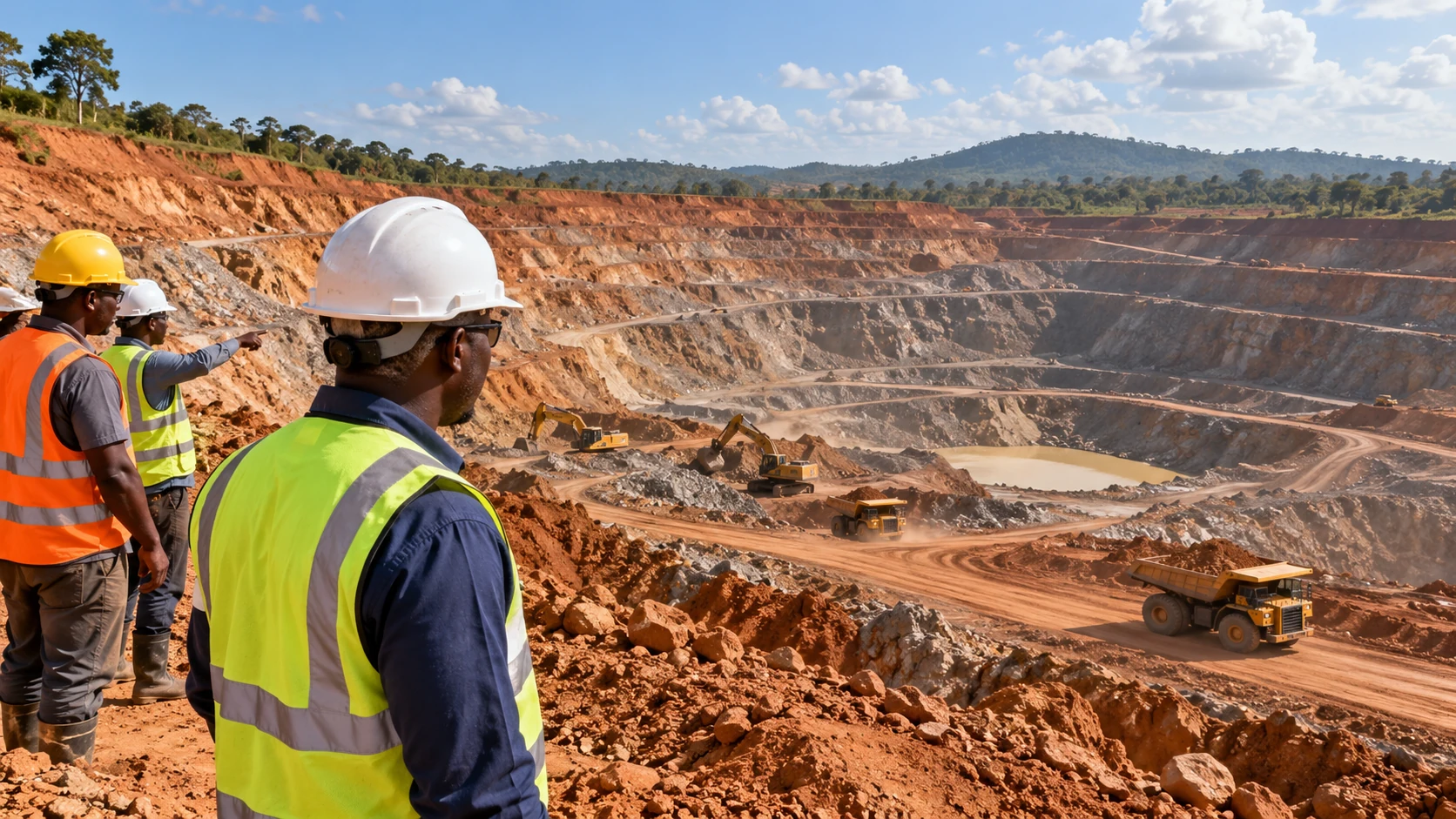
Ghana Sets Ambitious Mineral Processing Target
President John Dramani Mahama has announced a major shift in Ghana's mining and industrial development strategy, setting 2030 as the target for ending exports of unprocessed mineral ores.
Speaking at the Mining in Motion Summit in Accra on Monday, October 19, 2026, the President outlined plans to increase domestic mineral processing and strengthen Ghana's manufacturing sector.
The proposed policy would affect important mineral resources, including bauxite, manganese, iron and lithium.
The government intends to introduce the restrictions gradually, with specific requirements for different minerals and legislation to support implementation.
Creating Jobs and Expanding Local Industries
The initiative is designed to address a longstanding challenge facing Ghana's economy: exporting valuable natural resources while importing finished products manufactured from those same materials.
Under the proposed strategy, more mineral resources would be refined or processed locally before being supplied to domestic and international markets.
This approach could create opportunities for skilled employment, industrial engineering, transportation, equipment maintenance and manufacturing.
Local businesses could also benefit from increased demand for construction, logistics, technology and industrial support services.
However, the scale of those benefits will depend on investment, industrial capacity and effective policy implementation.
New Expectations for Mining Investors
President Mahama indicated that companies seeking access to Ghana's mineral resources would increasingly be expected to support local processing.
The government plans to establish clear processing obligations and implementation timelines to guide investors.
Ghana has already introduced restrictions on exports of scrap iron and non-ferrous metals as part of efforts to retain materials for domestic industrial use.
The President also highlighted plans to strengthen the aluminium and iron-and-steel industries through existing development institutions.
Infrastructure and Financing Remain Critical
While the proposed transition presents economic opportunities, implementing it will require significant investment.
Reliable electricity, adequate water supplies, transportation infrastructure, technical expertise and access to affordable financing will be essential for competitive domestic processing.
The government will also need to provide predictable regulations and effective coordination among public agencies and private investors.
Without sufficient processing capacity, restrictions on raw mineral exports could create difficulties for mining businesses and their supply chains.
What the Policy Means for Ghana's Future
Ghana's proposed transition reflects a wider African effort to capture more economic value from natural resources.
Rather than relying primarily on extraction and raw-material exports, the strategy aims to strengthen industrial production and participation in higher-value supply chains.
For Ghanaian entrepreneurs, the emerging processing industry could generate opportunities in equipment supply, maintenance, transportation, manufacturing and specialized services.
The next major test will be whether government institutions and investors can turn the announced targets into functioning processing plants, sustainable employment and measurable economic gains.
As Ghana works toward its 2030 target, the pace of investment, construction and regulatory implementation will determine how successfully the policy translates into benefits for businesses and households.
GhanaCurrent will continue monitoring developments in Ghana's mining sector and the government's industrialization agenda.
GhanaCurrent aims for accurate, well-sourced reporting. We welcome corrections and distinguish advertising from editorial stories.